Key Takeaways
- Remote monitoring systems provide real-time surveillance capabilities that can reduce emergency response times by up to 50% compared to traditional security methods.
- AI-powered analytics can detect unusual behaviors and potential threats before they escalate into dangerous situations.
- Modern access control systems integrated with remote monitoring allow administrators to manage building entry from anywhere, creating more secure perimeters.
- Schools implementing comprehensive remote monitoring solutions report up to a 70% reduction in security incidents within the first year.
- New England Security provides cutting-edge remote monitoring solutions that balance robust security with student privacy concerns.
School safety isn’t optional—it’s essential. In today’s world, educational institutions face unprecedented security challenges that demand innovative solutions. Remote monitoring technology has emerged as a powerful tool in the arsenal of school safety measures, offering real-time oversight and rapid response capabilities that traditional security methods simply can’t match.
School Safety Challenges: Why We Need Better Solutions Now
The landscape of school security has changed dramatically in recent years. According to recent data, security incidents in educational settings have increased by 30% over the past decade, while traditional security measures struggle to keep pace. Schools must protect students and staff from external threats, internal conflicts, health emergencies, and environmental hazards—all while maintaining an open, welcoming learning environment.
Traditional security approaches often fall short because they rely heavily on human monitoring, which is limited by attention spans, coverage gaps, and delayed response times. When a security incident occurs, every second matters. Studies show that response times over three minutes significantly increase the potential for serious harm during an emergency situation.
Budget constraints present another significant challenge. Many schools simply don’t have the resources to hire adequate security personnel or implement comprehensive safety measures. This financial reality forces administrators to make difficult choices between educational programs and security enhancements—a choice no school should have to make.
Remote Monitoring: The Future of School Security
Remote monitoring represents a transformative approach to school safety by leveraging technology to extend security capabilities far beyond what traditional methods can offer. By integrating cameras, sensors, access control systems, and artificial intelligence, remote monitoring creates a comprehensive security ecosystem that works continuously, consistently, and proactively to identify and address potential threats.
Unlike conventional security methods that rely primarily on human observation, remote monitoring systems can process vast amounts of information simultaneously, identifying patterns and anomalies that might escape human notice. These systems don’t get tired, distracted, or overwhelmed—they maintain constant vigilance across an entire campus, from classrooms to corridors, entrances to athletic fields.
Perhaps most importantly, remote monitoring bridges the gap between detection and response. When these systems identify a potential threat, they can instantly alert appropriate personnel, initiate lockdown protocols, or contact emergency services. This immediate response capability can significantly reduce the impact of security incidents and potentially save lives.
5 Powerful Ways Remote Monitoring Transforms School Safety
Modern remote monitoring solutions offer multifaceted approaches to security that address the complex challenges facing today’s educational institutions. These technologies don’t just react to incidents—they help prevent them from occurring in the first place. Let’s explore the five most impactful ways remote monitoring is revolutionizing school safety.
1. Real-Time Video Surveillance With Intelligent Analytics
Today’s video surveillance goes far beyond passive recording. Advanced systems powered by artificial intelligence can actively analyze video feeds in real-time, identifying potential threats before they escalate. These systems can detect unusual gatherings, recognize unauthorized individuals, spot abandoned objects, and even identify weapons through sophisticated shape recognition algorithms. When the system flags a potential issue, security personnel receive immediate alerts, allowing for rapid assessment and response.
2. Instant Alert Systems For Emergency Situations
When emergencies occur, communication becomes critical. Remote monitoring systems integrate seamless alert capabilities that can instantly notify administrators, security personnel, teachers, and even local law enforcement when a threat is detected. These systems can trigger lockdown procedures, broadcast emergency instructions via PA systems, send text alerts to staff, and automatically contact first responders—all within seconds of detecting an issue. For businesses, having maximized alarm response services is crucial to ensure quick and efficient handling of emergency situations.
Modern alert systems are intelligent enough to differentiate between types of emergencies, automatically triggering the appropriate response protocols. Whether it’s a medical emergency requiring nurse notification, an unauthorized intruder triggering a lockdown, or a fire activating evacuation procedures, these systems ensure the right people get the right information immediately.
The data supports their effectiveness: schools with integrated alert systems report average emergency response times 47% faster than those without such technology. This dramatic improvement can make all the difference in critical situations where minutes—or even seconds—matter.
3. Controlled Access Management Through Remote Verification
Controlling who enters school premises is fundamental to maintaining a secure environment. Remote monitoring takes access control to new levels by implementing sophisticated verification systems that can be managed from anywhere. These systems might include digital ID scanning, biometric verification, or video authentication protocols that ensure only authorized individuals gain entry to school grounds. For a comprehensive understanding of these systems, explore access control systems and how they enhance security at every door.
Advanced access control systems create digital logs of all entries and exits, providing valuable documentation for security audits and investigations. They can also automatically flag unusual access patterns, such as repeated failed entry attempts or access requests at unusual hours. Some systems even incorporate facial recognition technology that can identify individuals on watch lists and alert security personnel immediately.
Case Study: Lincoln High School
After implementing remote access control with video verification, Lincoln High School experienced:
• 86% reduction in unauthorized campus entries
• 92% decrease in reported property theft
• 100% visitor compliance with check-in procedures
• 35% faster emergency evacuations due to accurate headcounts
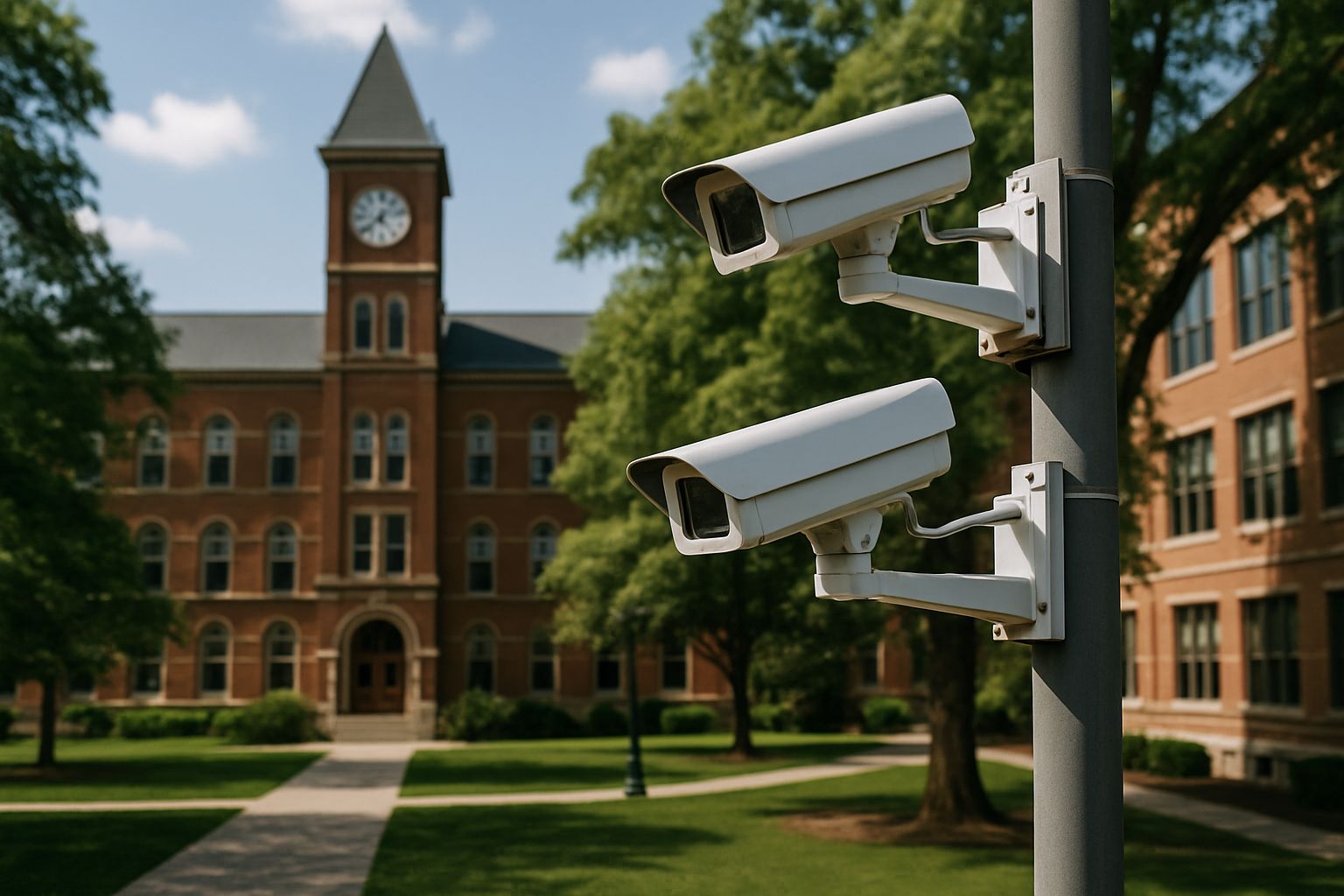
The psychological impact of visible access control systems should not be underestimated. When potential wrongdoers see sophisticated entry systems with cameras and verification requirements, they’re significantly less likely to attempt unauthorized access, creating a powerful deterrent effect.
4. Behavioral Monitoring To Prevent Violence Before It Happens
Perhaps the most promising aspect of advanced remote monitoring is its ability to identify concerning behaviors before they escalate into violence. AI-powered video analytics can detect aggressive postures, unusual gathering patterns, or prohibited items with remarkable accuracy. Some systems can even identify unusual emotional states through facial expression analysis, potentially flagging individuals in distress who might benefit from intervention. For more insights, explore our blueprint for safe institutions.
These systems don’t replace human judgment—they enhance it by drawing attention to situations that warrant closer examination. When the system detects a potential concern, trained staff can assess the situation and determine whether intervention is necessary. This approach respects student privacy while providing an additional safety layer that can prevent serious incidents before they occur.
The preventative capabilities extend beyond physical violence. Remote monitoring systems can help identify bullying behaviors, substance abuse, or self-harm risks, allowing schools to address these issues with appropriate support rather than punitive measures. This comprehensive approach addresses school safety holistically, recognizing that emotional and psychological well-being are essential components of a truly safe environment.
5. Integrated Communication Networks For Fast Response
The most advanced remote monitoring solutions don’t operate in isolation—they’re part of integrated communication networks that connect all stakeholders in school safety. These networks ensure that when an incident occurs, everyone from teachers to administrators to emergency responders shares the same information in real time, eliminating confusion and improving coordination.
|
Communication Component |
Function |
Impact on Response Time |
|---|---|---|
|
Unified Alert System |
Broadcasts consistent emergency notifications across multiple channels |
Reduces notification time by 83% |
|
Mobile Command Apps |
Gives administrators remote control of security systems via smartphone |
Enables response initiation within 8 seconds |
|
First Responder Integration |
Provides law enforcement direct access to camera feeds during emergencies |
Improves tactical response by 64% |
|
Digital Floor Plans |
Automatically shares building layouts with emergency services |
Cuts building navigation time in half |
These integrated networks transform what was once a fragmented security approach into a coordinated system where information flows seamlessly between systems and stakeholders. During drills and actual emergencies, this coordination significantly reduces response times and improves outcomes.
The psychological benefits extend beyond emergency situations. When students and staff know that sophisticated communication systems are in place, they experience greater peace of mind, which contributes to a more positive learning environment. Parents, too, gain confidence knowing that their children’s school has implemented state-of-the-art safety measures.
Implementing Remote Monitoring In Your School
Transitioning to remote monitoring isn’t simply about installing cameras and software—it requires thoughtful planning and implementation to ensure the technology enhances safety without disrupting the educational environment. Successful implementation follows a strategic process that begins with assessment and continues through ongoing evaluation and refinement.
The most effective implementations involve all stakeholders from the beginning. When administrators, teachers, parents, students, and security professionals collaborate in planning, the resulting system is more likely to address the specific needs of the school community while respecting its unique culture and values.
- Define clear objectives – Identify specific security challenges and desired outcomes
- Establish privacy guidelines – Create policies that balance security needs with privacy concerns
- Develop response protocols – Determine exactly how staff should respond to various alerts
- Create implementation timeline – Plan a phased approach that minimizes disruption
- Build evaluation metrics – Establish how you’ll measure the system’s effectiveness
Remember that technology is only as effective as the humans who use it. The most sophisticated remote monitoring system will fail if staff aren’t properly trained or if protocols aren’t clearly defined. Successful implementation requires a commitment to ongoing education and adjustment as needs evolve.
Starting With A Security Assessment
Before implementing any remote monitoring solution, conduct a comprehensive security assessment to identify vulnerabilities and priorities. This assessment should examine physical infrastructure, existing security measures, historical incident data, and stakeholder concerns. Professional security consultants can provide valuable expertise during this phase, helping to identify blind spots that internal teams might miss.
The assessment process typically involves mapping the entire campus, identifying key access points, evaluating current security protocols, and gathering input from staff and students about safety concerns. This thorough approach ensures that the remote monitoring system addresses actual needs rather than perceived threats, maximizing both effectiveness and resource allocation.
Don’t rush this critical phase. A well-executed assessment creates the foundation for all subsequent security decisions and helps justify the investment to school boards, parent organizations, and other funding sources. The data collected during assessment also provides a valuable baseline against which to measure future improvements.
Choosing The Right Technology Partner
Selecting a qualified technology partner is perhaps the most consequential decision in the implementation process. Look for providers with specific experience in educational settings, as they’ll understand the unique challenges schools face. Request case studies, references from similar institutions, and detailed information about their support and maintenance services.
The best partners offer more than just hardware and software—they provide ongoing consultation, training, and system optimization. They should demonstrate a clear understanding of educational environments and how security technology can be implemented without creating an institutional or prison-like atmosphere that might detract from learning.
New England Security has established itself as a leader in educational security, offering customized remote monitoring solutions that address the specific needs of K-12 schools and higher education institutions. Their approach balances robust security capabilities with sensitivity to the unique culture of educational environments.
Training Staff And Setting Clear Protocols
Even the most sophisticated remote monitoring system is only as effective as the humans who interact with it. Comprehensive training ensures that all staff understand how the system works, what alerts mean, and what actions they should take in response to different situations. Training should be ongoing, with regular refreshers and updates as technology and protocols evolve.
Clear, written protocols eliminate confusion during high-stress situations. These protocols should detail exactly who receives alerts, who has authority to make decisions, and what specific actions should be taken for different types of incidents. Regular drills help reinforce these protocols and identify areas for improvement before an actual emergency occurs. For businesses, understanding alarm response services can be crucial in enhancing their emergency preparedness.
Consider creating tiered response protocols that match the severity of the situation. Minor security concerns might only require notification of on-site personnel, while more serious incidents would trigger broader alerts and automatic notification of emergency services. This graduated approach prevents alert fatigue while ensuring appropriate responses to genuine emergencies.
Cost vs. Benefit: Why Remote Monitoring Makes Financial Sense
School administrators often face difficult budgetary decisions, balancing educational needs against security requirements. While remote monitoring systems represent a significant investment, they typically offer substantial return on investment when compared to traditional security approaches. The initial costs of technology, installation, and training are offset by long-term savings in personnel, insurance premiums, and incident-related expenses.
Comparing With Traditional Security Methods
Traditional security methods rely heavily on human personnel—security guards, hall monitors, and administrative staff performing security functions. These approaches incur ongoing labor costs that increase annually with wages and benefits. In contrast, remote monitoring systems require a larger upfront investment but significantly lower ongoing expenses, typically resulting in break-even points within 2-3 years.
Beyond direct cost comparisons, remote monitoring systems offer capabilities that human security simply cannot match. They provide continuous coverage of multiple areas simultaneously, create permanent records of all activities, and never suffer from fatigue or distraction. When evaluating costs, these enhanced capabilities represent substantial added value that should factor into budgetary decisions.
Many schools find that hybrid approaches—combining strategic remote monitoring with reduced but targeted human security personnel—provide optimal results. This approach leverages technology for consistent monitoring while maintaining the human judgment and relationship-building that security staff provide.
Long-term Savings Through Prevention
The most significant financial benefits of remote monitoring often come through incident prevention rather than response. When security events are prevented entirely, schools avoid costs related to property damage, liability claims, investigation time, and administrative disruption. These avoided costs, though difficult to quantify precisely, often represent the largest return on security investments.
Insurance providers increasingly recognize the value of comprehensive remote monitoring, offering premium reductions for schools that implement approved systems. These reductions can be substantial—sometimes 15-20% annually—providing an ongoing financial benefit that helps offset system costs. Some insurance providers even offer grants or subsidies for security technology implementation, recognizing that these investments reduce their own risk exposure.
“After implementing our comprehensive remote monitoring system, we saw a 32% reduction in annual security incidents and a 17% decrease in insurance premiums. The system paid for itself within 30 months, and we now operate with greater security at lower cost than our previous approach.”
– Dr. Marcus Thompson, Principal, Westlake Academy
Success Stories: Schools That Got It Right
Eastlake Middle School faced recurring vandalism and after-hours trespassing that drained maintenance budgets and created safety concerns. After implementing a remote monitoring system with motion detection and automated alerts, unauthorized campus access dropped by 94% within three months. The system’s AI analytics could distinguish between legitimate activity (wildlife, authorized maintenance) and actual security threats, virtually eliminating false alarms while ensuring genuine concerns received immediate attention. The school recovered its technology investment within 18 months through reduced repair costs and security personnel requirements.
Riverside High School took a different approach, focusing on preventing internal incidents during school hours. Their implementation emphasized behavioral analytics that could identify potential confrontations before they escalated to violence. The system recognized gathering crowds, aggressive postures, and unusual movement patterns, alerting counselors and security staff to situations requiring intervention. Within one academic year, physical altercations decreased by 72%, and the school reported significant improvements in overall climate and student well-being. Parents specifically cited enhanced security as a primary factor in choosing the school for their children.
Take Action Now: Steps To Enhance Your School’s Safety Today
Begin your school safety transformation by scheduling a professional security assessment to identify your specific vulnerabilities and needs. This critical first step provides the foundation for all subsequent decisions, ensuring that your safety investments address your actual risks rather than perceived threats. Once you understand your unique challenges, connect with qualified security providers who specialize in educational environments and can propose appropriate remote monitoring solutions tailored to your circumstances, budget, and community values.
Frequently Asked Questions
School administrators, board members, and parents naturally have questions about implementing remote monitoring systems. These concerns typically center around implementation logistics, technical reliability, privacy considerations, staffing requirements, and operational details. Addressing these questions thoroughly helps build consensus and support for security enhancements.
While each school’s situation is unique, the following responses address the most common questions we encounter when discussing remote monitoring implementations. These answers reflect industry best practices and the accumulated experience of hundreds of successful school security projects across diverse communities and educational settings.
How quickly can remote monitoring systems be installed in schools?
Implementation timelines vary based on system complexity, campus size, and existing infrastructure. Simple systems focused on entry points and common areas can be operational in 2-3 weeks, while comprehensive campus-wide solutions typically require 6-8 weeks from assessment to full activation. Most installations are phased, with critical security areas receiving priority implementation.
The most time-intensive aspects of implementation usually involve infrastructure preparation—running cabling, establishing secure network connections, and ensuring adequate power supply to all components. Schools with modern IT infrastructure generally experience faster implementations than those requiring significant upgrades to support new security technology.
Summer breaks provide ideal implementation windows, allowing for installation with minimal disruption to educational activities. However, experienced security providers can work around academic schedules when necessary, conducting the most disruptive installation activities during evenings and weekends.
- Assessment and planning: 1-2 weeks
- Infrastructure preparation: 1-3 weeks
- Hardware installation: 1-2 weeks
- System configuration and testing: 1-2 weeks
- Staff training and protocol development: 2-3 weeks (can overlap with installation)
What happens if our internet connection goes down?
|
Component |
Offline Capability |
Recovery Process |
|---|---|---|
|
Cameras & Sensors |
Continue recording to local storage |
Auto-upload footage when connection restores |
|
Access Control |
Maintain last authorized settings |
Resynchronize with central system automatically |
|
Alert Systems |
Switch to cellular backup networks |
Return to primary network when available |
|
Central Monitoring |
Transition to backup connectivity options |
Resume normal operations without manual intervention |
Modern remote monitoring systems are designed with multiple redundancies to maintain critical security functions even during connectivity disruptions. Most systems incorporate local storage that continues recording during outages, then automatically synchronizes with central servers when connections are restored. This ensures no security gaps during temporary internet problems. For more information on access control systems, visit our detailed guide.
For schools in areas with unreliable internet service, hybrid systems offer robust solutions by maintaining core functionality on-site while leveraging cloud capabilities when available. These systems can automatically switch between connection methods (fiber, cable, cellular, satellite) based on availability, ensuring continuous protection even in challenging connectivity environments. For more information on how to enhance safety, consider exploring mobile patrol services.
Many school districts address this concern by implementing dedicated security networks separate from their regular internet connections. These purpose-built networks typically include backup power supplies, alternative connection methods, and prioritized bandwidth allocation to ensure security systems remain operational even when other school systems experience disruptions.
Can remote monitoring systems respect student privacy while maintaining security?
Absolutely. Modern remote monitoring systems are designed with sophisticated privacy protections that balance security needs with privacy rights. Best practices include limiting camera placement to public areas (avoiding restrooms, locker rooms, and counseling offices), implementing viewing restrictions that limit which personnel can access which feeds, creating audit trails that record all system interactions, and establishing clear policies regarding footage retention and review. Many schools also involve parent representatives in privacy policy development, creating transparency and building trust in how monitoring technology is used.
Do we need to hire additional staff to monitor these systems?
Most schools successfully implement remote monitoring without additional staffing by leveraging intelligent automation that filters alerts and only notifies appropriate personnel when genuine concerns arise. The systems are designed to augment existing security and administrative staff, not replace or add to them. Many schools redistribute existing security personnel from passive monitoring duties to more active engagement roles, improving both security outcomes and staff job satisfaction while maintaining current staffing levels.
How do remote monitoring services work during after-school hours?
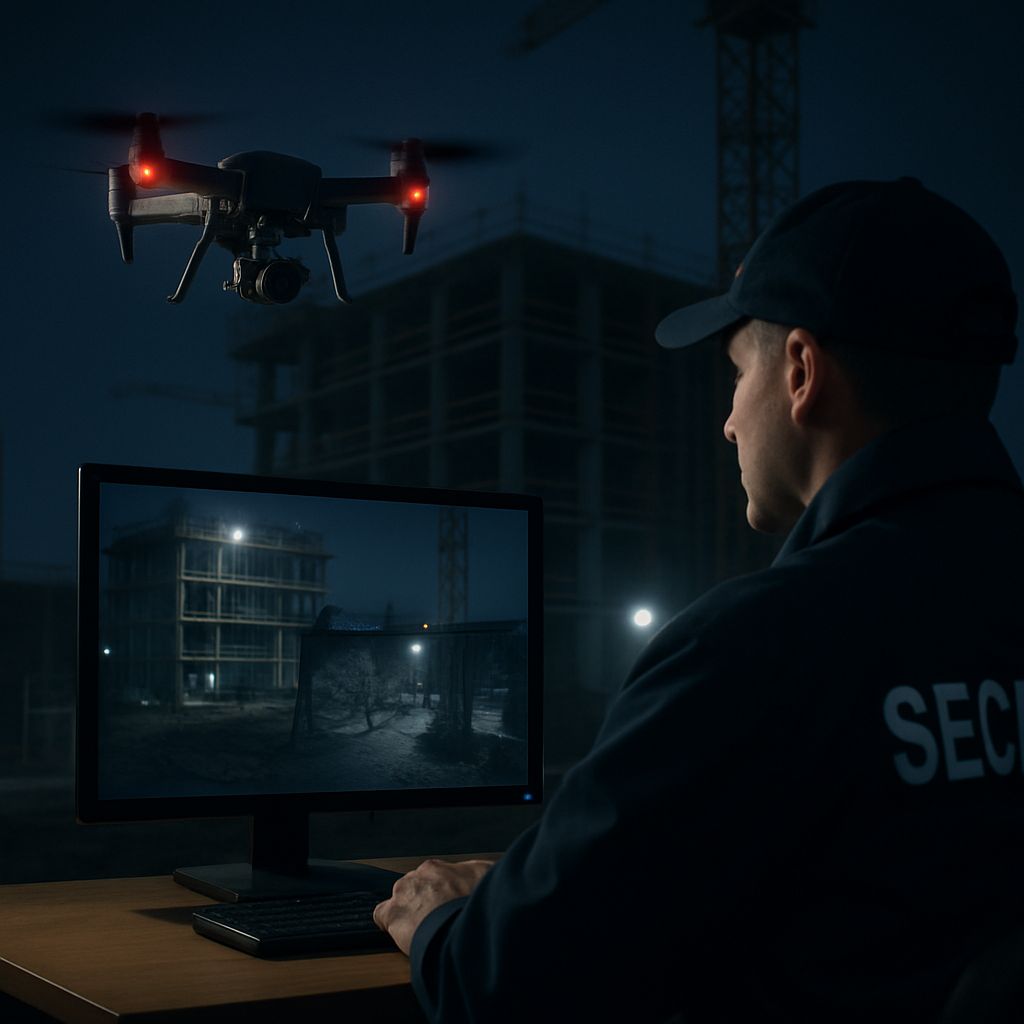
After-hours protection often represents the most significant value proposition for remote monitoring systems, providing comprehensive security when buildings are most vulnerable but staffing is minimal or absent. During these periods, systems typically operate in heightened sensitivity modes, detecting any unexpected motion or access attempts and automatically alerting designated personnel or monitoring services.
Many schools partner with professional monitoring services that provide 24/7 oversight of their security systems, with trained security professionals assessing alerts, remotely investigating potential issues through camera access, and contacting local emergency services when necessary. These services typically cost significantly less than employing overnight security personnel while providing more comprehensive coverage.
Remote monitoring doesn’t just protect against external threats during off-hours—it also supervises legitimate after-school activities, ensuring that authorized events have appropriate oversight even when administrative staff aren’t present. This capability enables schools to expand community use of their facilities while maintaining security standards.
For comprehensive remote monitoring solutions that can transform your school’s security approach while respecting your educational environment, contact New England Security today. Our education-focused security specialists will guide you through assessment, implementation, and ongoing optimization of a system tailored to your specific needs.